








By: Gloria Goni
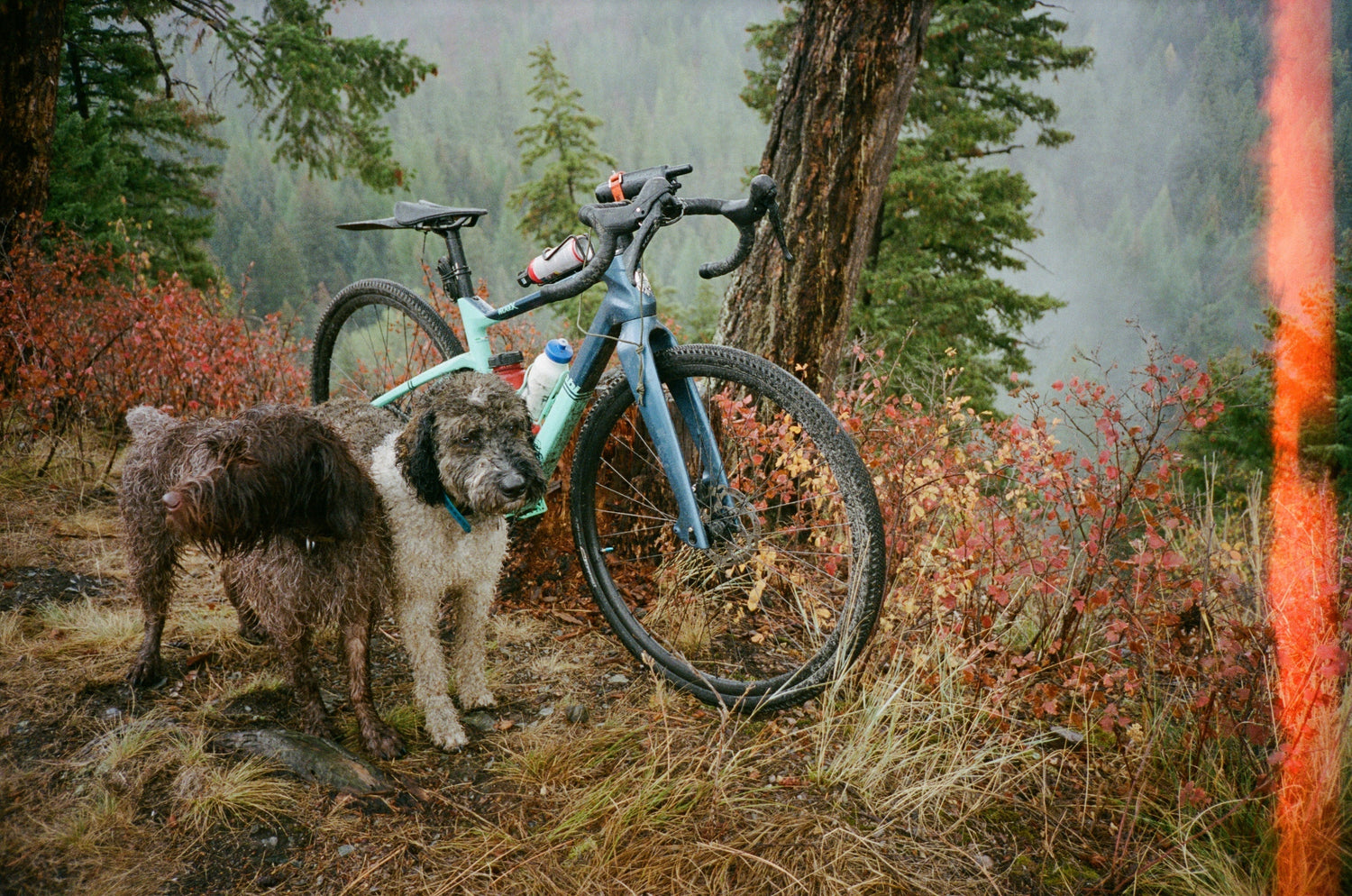
I have two very active pups, and one of my favorite ways to spend time with them is on my bike. Whether I’m out on a gravel ride or weaving through mountain bike trails, bringing the dogs along turns an already fun ride into something even better. While I enjoy both gravel and mountain biking, my dogs prefer mountain biking. The pace is slower, the rides are usually shorter, and the softer dirt trails tend to be easier on their paws compared to long gravel miles.
Like anything with dogs, though, successful bike rides come down to preparation, training, and knowing your dogs’ limits.
Every Dog Learns Differently
Both of my dogs adapted to biking in very different ways. Alberto immediately understood the routine. From the beginning, he naturally stayed behind me and followed the bike without much correction. Shakira, on the other hand, took a little more practice. She had to learn that running in front of the bike wasn’t an option and that staying behind me was the safest place to be.
Now, biking is second nature to both of them. Once they figured it out, it became just like riding a bike in the literal sense, they never forgot.
One thing that has made a huge difference for me is e-collar training. My dogs are very comfortable and reliable with their collars, and I always keep the remote easily accessible by ski-strapping it to the stem of my bike. Having immediate access gives me peace of mind and allows me to communicate quickly if needed, especially on fast descents or around other trail users.
Essential Training Before You Ride
Before hitting the trails, your dog should be completely solid on a few foundational commands. Trails move fast, and there is very little room for mistakes. Your dog should come when called, even around distractions like wildlife, hikers, or other dogs. Like I mentioned earlier, teaching your dog to avoid your wheels is also critical. The safest position is usually just behind your rear tire where they can see your movements and anticipate direction changes.
Safety and Trail Etiquette
Your dog should be calm and non-reactive around strangers, horses, hikers, and other dogs. Good trail manners help keep trails open and enjoyable for everyone. Before every ride, make sure dogs are actually allowed on the trail system. Some areas require dogs to remain leashed, while others allow off-leash use only in certain sections. A lot of trails will require dogs on leash near parking lots or trailheads but allow more freedom once you’re farther out on the trail.
I usually check apps like Trailforks or MTB Project beforehand to confirm trail access and dog rules. It is also important to remember trail right-of-way etiquette. Mountain bikers yield to hikers and equestrians, and your dog needs to know how to stop and wait calmly while others pass.
Hydration
Water is probably the single most important factor when biking with dogs.
Dogs heat up much faster while running alongside a bike than they do on a normal walk or hike. I try to strategically plan rides during cooler parts of the day like early mornings or evenings during the summer, and whenever possible I choose trails with creeks, lakes, or other water access nearby.
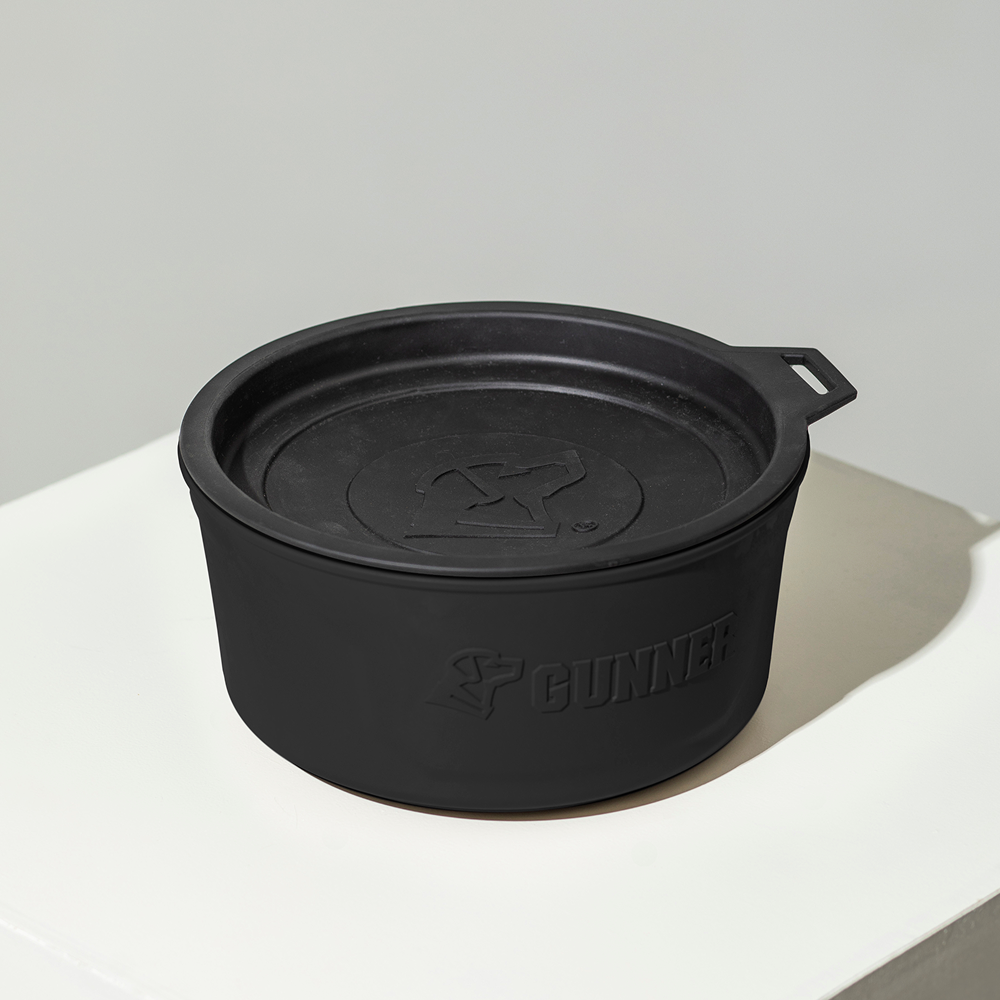
I also make sure I pack enough water not only for myself but for the dogs too, along with a bowl. Pay attention to signs of overheating like excessive panting, slowing down, or lagging behind. If your dog seems tired, it is best to cut the ride short.
Protecting Their Paws
Trail surfaces can really impact your dog’s paws, especially on gravel routes or during hot weather. Sometimes I’ll put booties on my dogs depending on the terrain, but personally I’ve found the best approach is simply building mileage gradually so their paw pads toughen up naturally over time.
Starting with shorter rides and slowly increasing distance has worked much better for us than jumping straight into long days. Dirt trails are generally much easier on paws than sharp gravel roads, which is another reason my dogs tend to prefer mountain bike rides.
It is also important to regularly check their pads after rides for cracks, bleeding, or wear.
Start Slow and Build Fitness
Even athletic dogs need time to build endurance for biking.
Start with shorter, flatter rides in the 1–3 mile range before progressing to steeper terrain or longer mileage. Conditioning takes time, and just because your dog can keep running doesn’t always mean they should.
The goal is to finish rides with your dog still feeling strong and excited to go again next time.
Don’t Forget a First Aid Kit
I always carry a first aid kit that includes supplies for both humans and dogs. Even small issues can become bigger problems once you’re deep into a trail system.
- A few essentials I like to bring include:
- Gauze and wrap
- Tweezers
- Antiseptic wipes
- Paw protection or booties
- Benadryl (if approved by your vet)
- Extra water
- Emergency contact information
- inReach satellite phone
Hopefully you never need it, but it is one of those things that is always worth carrying.
Final Thoughts
Biking with Alberto and Shakira is one of my favorite ways to spend time outside with them. With the right training, good trail etiquette, and smart planning, your dog can become an incredible riding partner. For me, there is nothing better than biking down a trail with my two happy pups sprinting behind me. After all, these pups are truly my ride-or-die's.