









Few dogs are as instantly recognizable as the Golden Retriever. To most people, they’re family dogs first. But to hunters who know their history, they’re something more: a purpose-built retriever with deep roots in the field and a reputation earned one bird at a time.
Golden Retriever Overview
Height: 21.5–24 inches
Weight: 55–75 pounds
Lifespan: 10–12 years
Coat: Dense, water-repellent double coat
Colors: Light gold to dark gold
Hunting Style: Retrieving (primarily waterfowl)

Built for the Retrieve
Golden Retrievers were developed in Scotland in the mid-1800s to do one thing well: retrieve game cleanly from land and water. Early breeders needed a dog that could mark falls, handle cold water, work cooperatively, and carry birds gently back to hand. The result was a medium-large retriever with a dense, water-resistant coat, strong swimming ability, and a natural desire to work with its handler.
Physically, Goldens are sturdy without being bulky. Most stand just over two feet at the shoulder and weigh between 55 and 75 pounds. Their double coat sheds water, their tails act like rudders in the water, and their overall build favors endurance over speed, which is ideal for long days in the field.
The Golden Standard
Well-bred Goldens are intelligent, confident, and deeply people-oriented. They want a job, even if that job changes with the season. In the field, that shows up as focus and cooperation. At home, it looks like a dog that stays close and pays attention.
They’re eager to please, highly trainable, and forgiving of handler mistakes— which makes them a favorite for first-time retriever owners and seasoned hunters alike. This temperament is why Golden Retrievers have become fixtures not only in hunting camps, but also in service work, search and rescue, and family homes. They’re adaptable by nature, equally content waiting out a slow morning in the blind or tagging along on a long walk after the season ends.

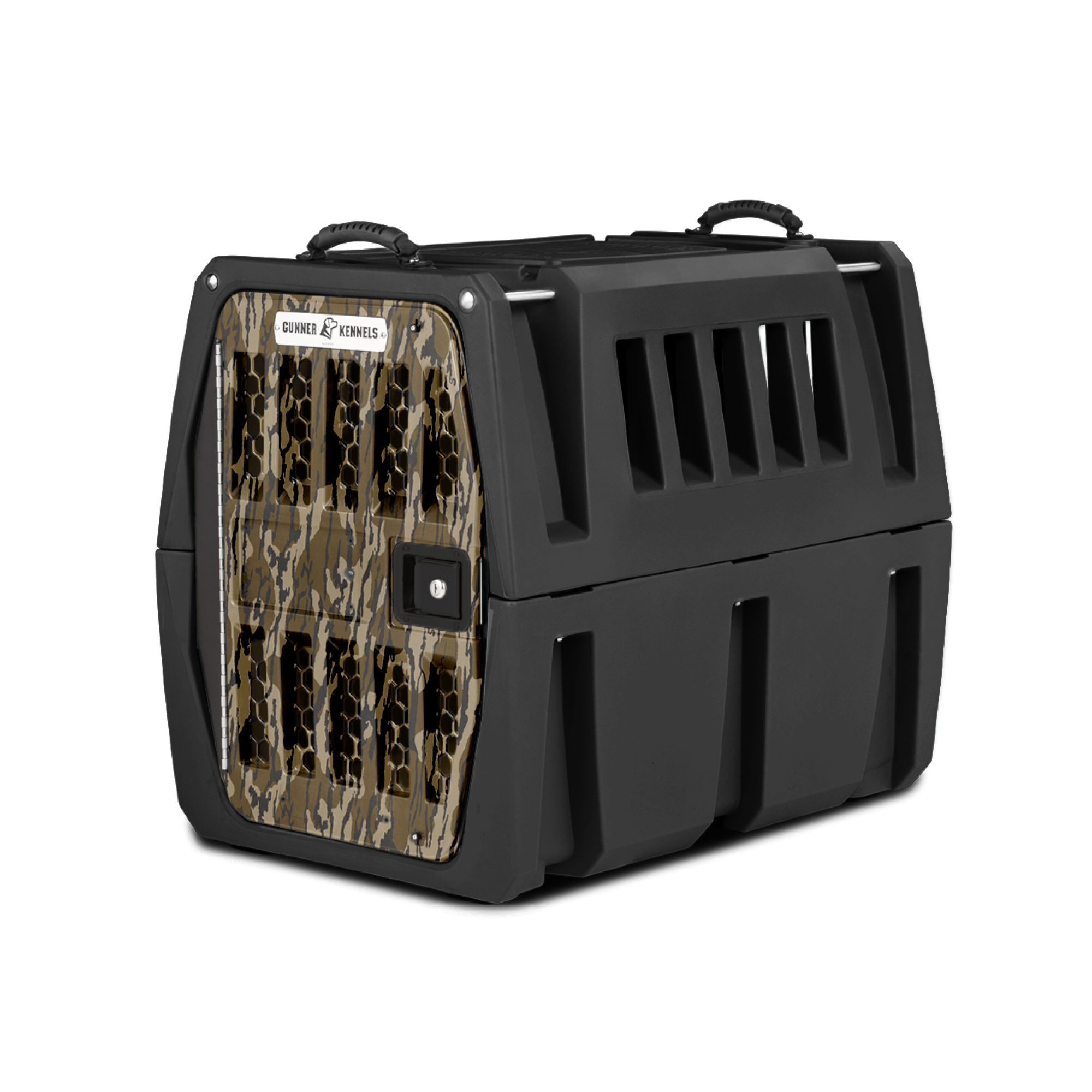
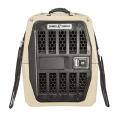
Most Golden Retrievers fit best in the G1™ Intermediate Kennel
Field Lines vs. Show Lines
Not all Golden Retrievers are bred with the same priorities. Dogs from field-focused lines are typically leaner, more athletic, and driven by a stronger desire to retrieve. These dogs often have shorter coats, higher energy levels, and a work-first mindset that suits waterfowl and upland hunting.
Show-bred Goldens, on the other hand, tend to carry heavier coats and a stockier frame, with temperaments geared more toward companionship and conformation. Both are true Goldens, but hunters looking for a serious working partner usually start by finding breeders who prioritize field performance.
In the Field
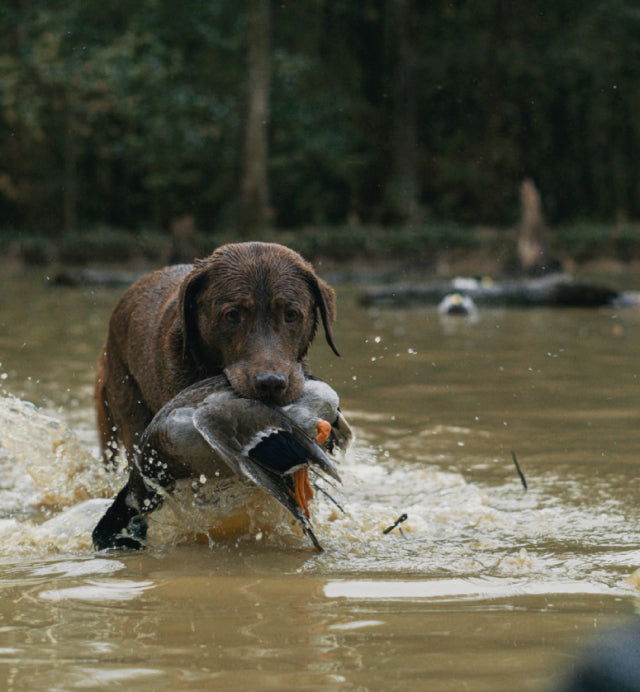
Golden Retrievers are capable, dependable retrievers. They’re strong markers, confident swimmers, and known for their soft mouths– a trait that matters when birds need to come back intact. While they may not have the raw speed of some retriever breeds, they make up for it with consistency, cooperation, and an ability to stay engaged over long hunts.
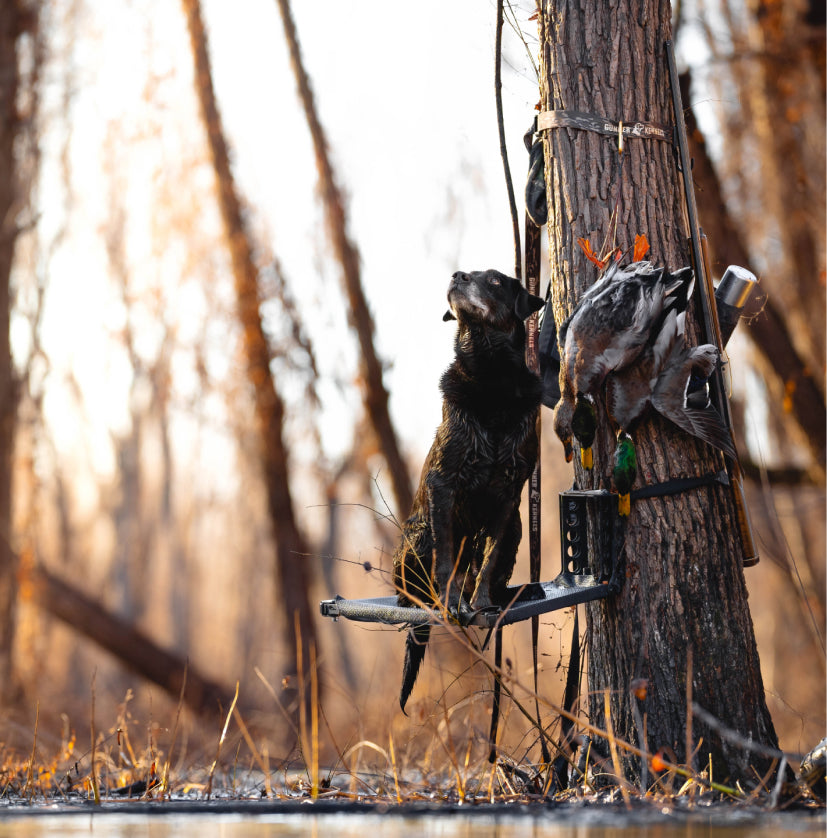
They shine in waterfowl settings and can handle upland work as well, especially when trained early and given regular exposure. For hunters who value reliability and temperament as much as drive, Goldens remain a solid choice. They do best with consistent training, clear expectations, and enough work to keep them engaged. Give them structure and purpose, and they’ll meet you there every time.

Life With a Golden
Goldens do best when they’re included, whether that’s in training, in travel, or in daily routines. They require regular exercise, mental stimulation, and grooming, especially during shedding seasons. Their coats need attention, and their energy levels demand an outlet.
They’re also dogs that bond deeply. Whether that’s riding home after a long hunt or settling in at the end of the day, they tend to stay close. Always watching, always ready for what’s next.