










Connecting the Central Flyway
Every waterfowl hunter knows the feeling.
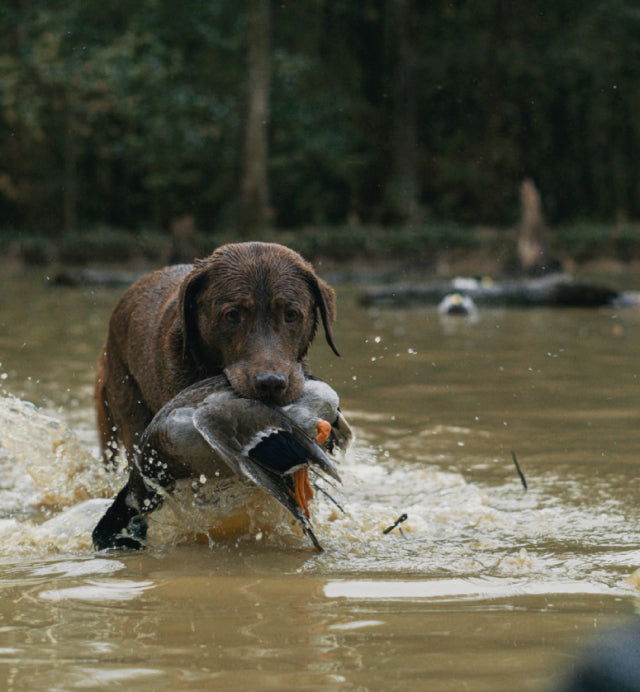
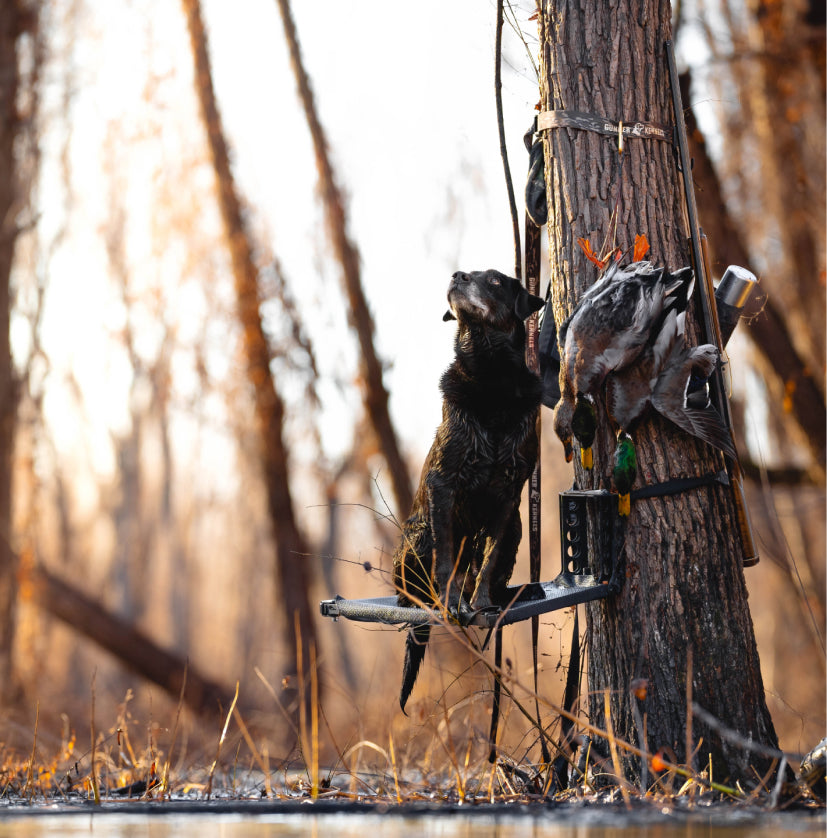
You step into the blind long before daylight. The coffee's still hot. Your dog's shaking with anticipation. Somewhere in the distance, a flock of specks starts talking before you ever see them.
Then it happens. The first birds of the morning appear out of the dark.
What most of us don't stop to think about is where they were yesterday. Or last month. Or three months ago. Long before those birds found your decoys, they were crossing an entire continent.
Over the last several years, our Flyway Series has taken us to some of the places that define that journey. From the prairie potholes surrounding Saskatoon to the coastal marshes of Anahuac, we've chased stories rooted in the places that shape waterfowl hunting. This year, we found ourselves asking a different question.
What connects them? The answer isn't a highway. It's a flyway.
Every Great Hunt Starts Somewhere
For a lot of the birds we chase every fall, it starts beneath Saskatchewan's Living Skies.
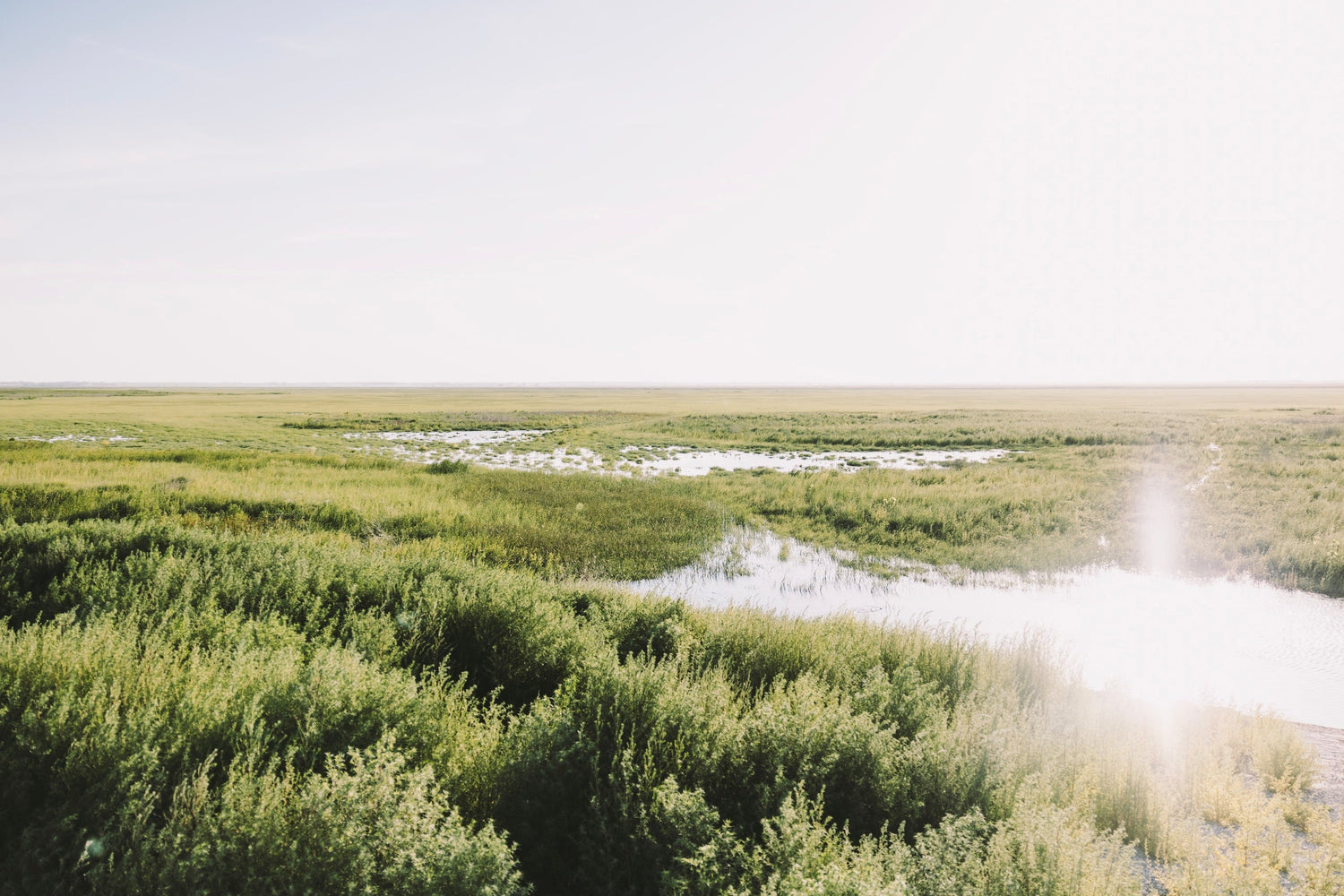
Out beyond Saskatoon, millions of shallow wetlands scatter across the prairie like broken glass. Every spring they fill with nesting mallards, pintails, gadwalls, blue-winged teal, canvasbacks, redheads, and countless other birds.
Hunters know it simply as the Duck Factory. It's where another generation begins. By the time autumn arrives, those young birds have traded prairie potholes for a north wind, following instincts older than memory.
Some are headed all the way to the Gulf. But none of them make it in one flight.

North America’s Most Popular Pitstop
If you've ever looked at a flyway map, Cheyenne Bottoms almost doesn't seem real.
It sits right where you'd put it if you were designing waterfowl habitat yourself. Halfway between the breeding grounds and the Gulf. Forty-one thousand acres of shallow
marsh. Grain fields in every direction.
Water. Food. Rest. Safety.
For migrating birds, it's less of a destination than a lifeline. Hundreds of thousands of ducks pile into the marsh alongside geese, pelicans, shorebirds, and sandhill cranes. For a few weeks each year, the sky feels impossibly full.
This isn't just another stop. It's where an entire migration catches its breath. If Saskatoon gives birds their wings, Cheyenne Bottoms gives them the strength to keep flying.

The Birds That Remember
Few birds capture the imagination of hunters like sandhill cranes. Their bugle cuts across a marsh unlike anything else in North America. It's wild, unmistakable, and ancient enough that plenty of hunters describe it as prehistoric.
They're different from ducks in another way, too. Cranes don't simply migrate as flocks. They migrate as families. Parents stay with their young through their first journey south, teaching them a route they'll follow for the rest of their lives.
Every fall, those same families arrive in Kansas, feeding in harvested grain fields before roosting in the safety of shallow water. Then, with the next favorable wind, they rise again. Southbound.

To the Edge of the Water
Eventually, that invisible highway spills into the marshes surrounding Anahuac.
For generations of Gulf Coast hunters, this place has marked the arrival of another season. Here, freshwater marsh gives way to coastal prairie, flooded rice, and brackish wetlands where birds will spend the winter feeding, resting, and waiting for spring.
For the birds, it's the end of one journey. For hunters, it's where another begins.

Why These Places Matter
The Flyway Series has never been about checking destinations off a map.
It's about telling the stories of the landscapes that make our traditions possible. Because no matter where you hunt, a timber hole in Arkansas, flooded rice in Texas, a Kansas marsh, or a prairie pothole in Saskatchewan, you're connected by the same birds.
They're carrying the story of every place they've been.
Every flock dropping into your spread has already written hundreds, sometimes thousands, of miles of history before sunrise. That's what makes places like Saskatoon, Cheyenne Bottoms, and Anahuac worth celebrating.
They're more than legendary hunting destinations. They make up one of North America’s most exciting duck highways.