





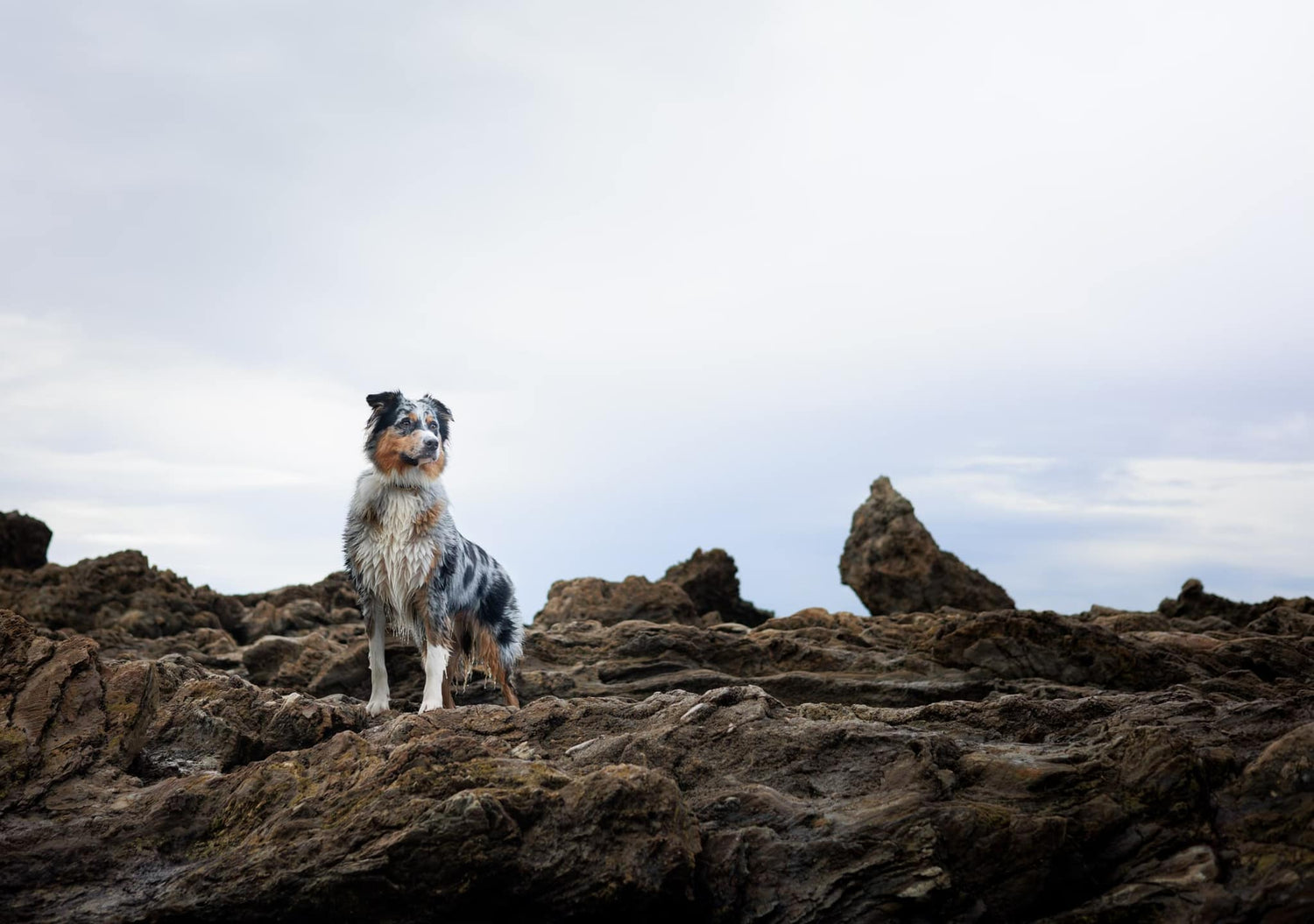
If there’s a dog that thrives on purpose, it’s the Australian Shepherd. Agile, intelligent, and relentlessly driven, this breed thrives in the field, on the trail, and anywhere there’s a job to be done. Despite the name, the Aussie is an American original— refined on ranches and open country where versatility wasn’t optional.
Today, Australian Shepherds are a go-to for ranchers, outdoorsmen, and active dog owners who need a dog that can keep up (and think for itself while doing it).
Australian Shepherd Overview
Height: 18–23 inches
Weight: 40–65 pounds
Lifespan: 12–15 years
Coat: Medium-length double coat (merle, black, red, or tri-color)
Colors: Light gold to dark gold

History & Origin of the Australian Shepherd
Despite their name, Australian Shepherds were developed in the United States during the 1800s. Basque shepherds brought their working dogs through Australia before arriving in the American West, where ranchers refined the breed into what we know today.
The goal was simple: create a tough, adaptable herding dog capable of handling livestock in harsh conditions. The result is a breed that excels not just on ranches, but in camps, on long trail runs, and anywhere endurance and intelligence matter.
Australian Shepherd Temperament
Australian Shepherds are loyal, alert, and highly responsive to their owners. They tend to bond closely with one person and are known for being both protective and highly intuitive.
Common traits include:
- Strong herding instincts
- High intelligence and problem-solving ability
- Eagerness to work and please
- Reserved nature around strangers
They’re not passive dogs. Aussies want direction— and without it, they’ll create their own structure.

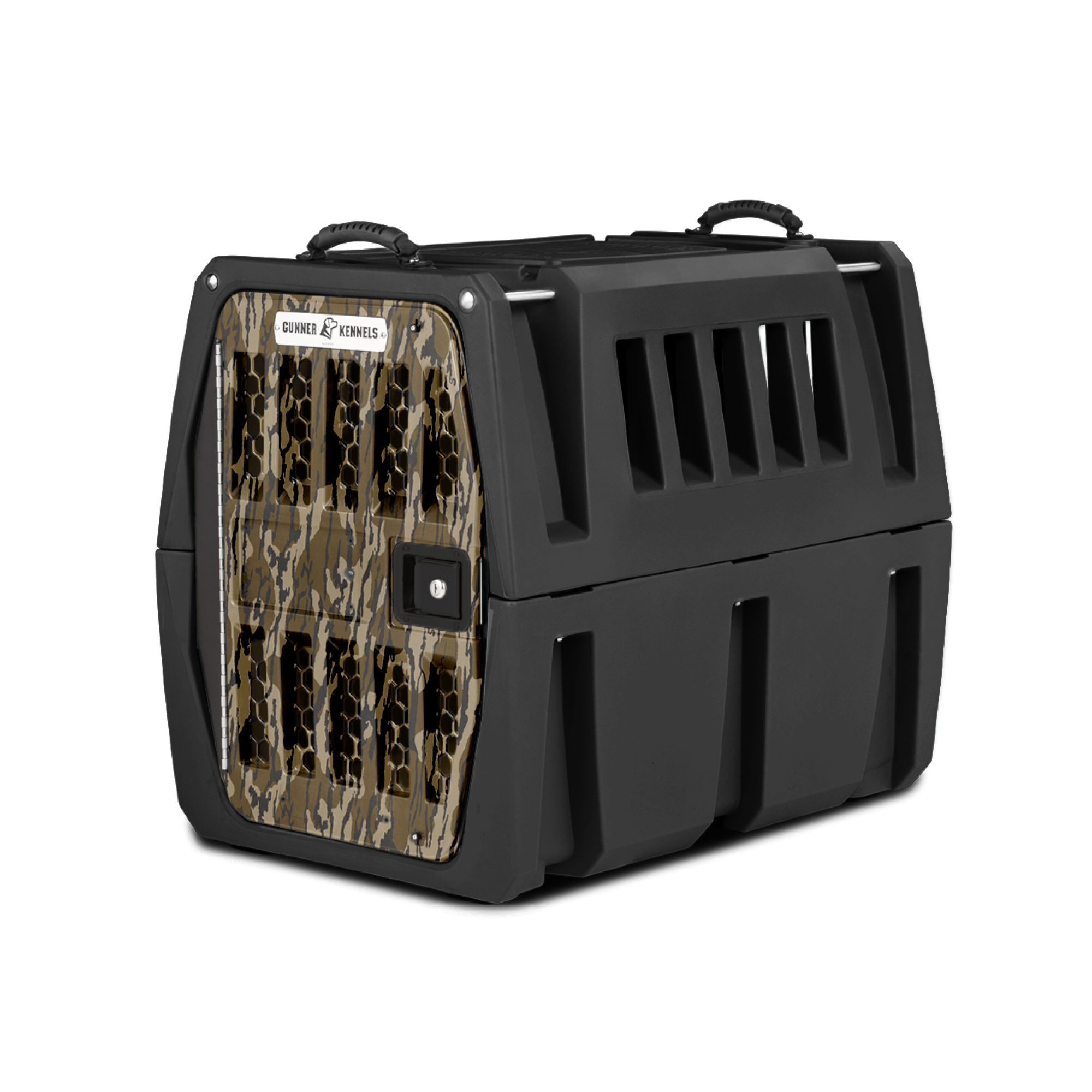
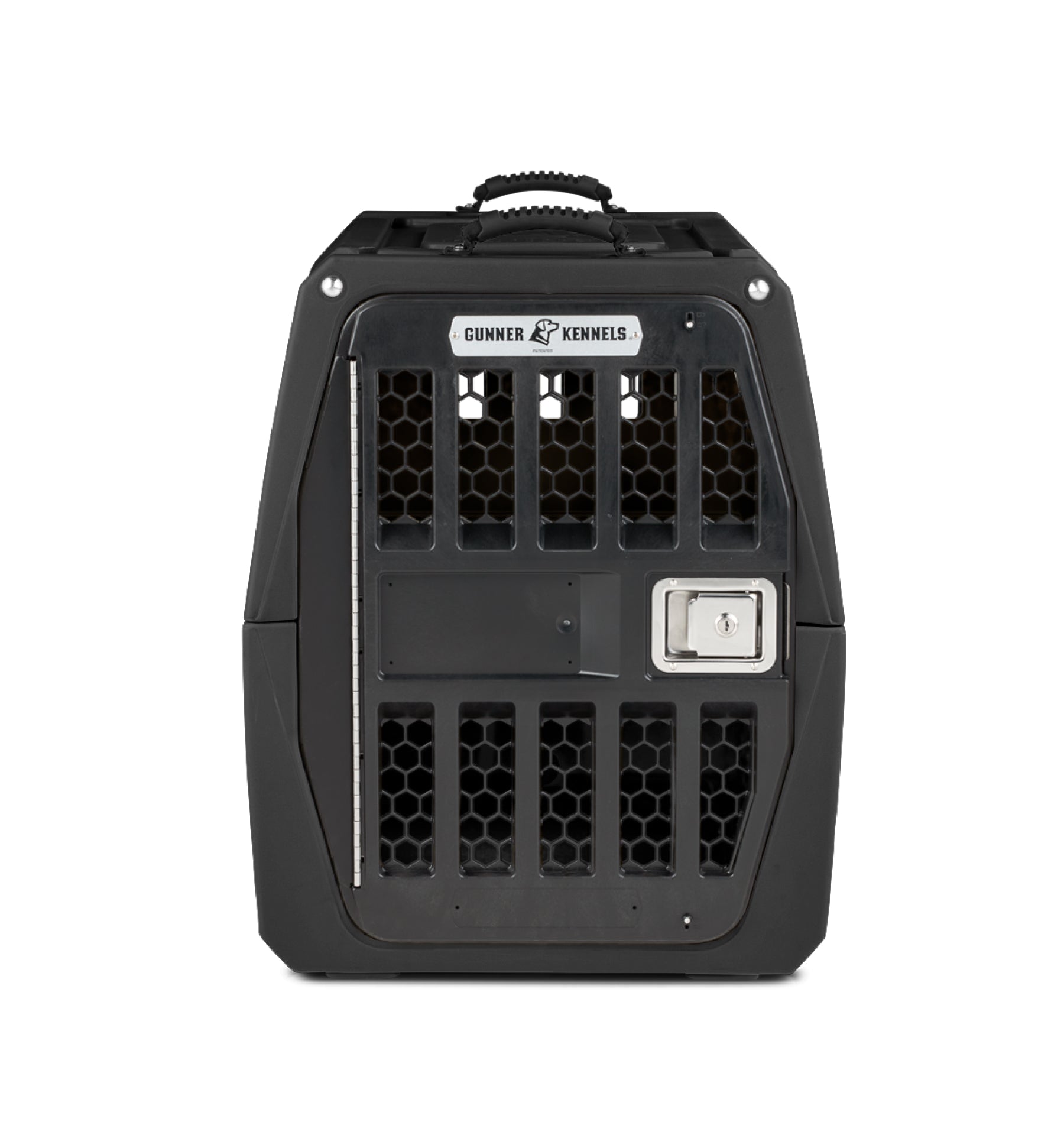
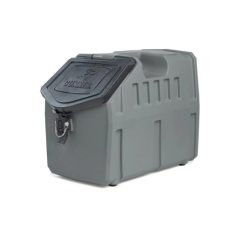
Most Australian Shepherds fit best in the G1™ Intermediate Kennel. Check our Fit Finder to find the best size for your Australian Shepherd.
Energy Level & Exercise Needs
If you’re researching Australian Shepherd exercise requirements, here’s the truth: this breed demands more than most.
Daily needs include:
Long runs, hikes, or field work
Structured play or training sessions
Mentally engaging tasks
Aussies are at their best when they have a job—whether that’s working livestock, running alongside you on a backcountry trail, or staying engaged during long days outdoors.
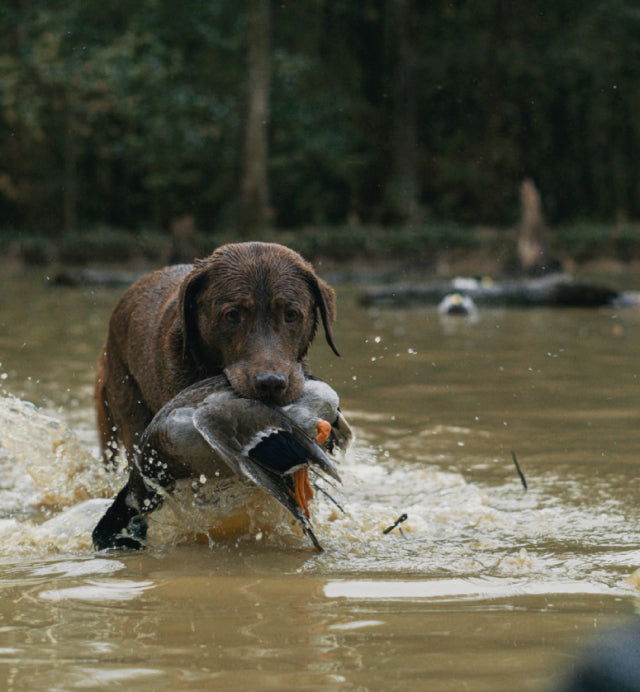
For hunters and outdoorsmen, they make excellent camp dogs and capable companions, but they’re not typically gun dogs. Their role is more about awareness, control, and versatility than retrieval.
Australian Shepherd Coat & Grooming
The Australian Shepherd’s double coat is designed for protection in variable weather conditions.
Care requirements:
Brushing 2–3 times per week
Increased grooming during seasonal shedding
Occasional bathing as needed
Their coat helps regulate temperature in both heat and cold, making them well-suited for year-round outdoor environments.

Is an Australian Shepherd a Good Family Dog?
Australian Shepherds can make excellent family dogs—but only in the right household.
They’re best suited for:
Active families
Homes with structure and routine
Owners willing to invest time in training and exercise
They may struggle in low-activity homes or environments without clear boundaries. Their herding instincts can also show up with children or other pets if not properly managed.
Is an Australian Shepherd Right for You?
An Aussie is a strong fit if you:
Live an active, outdoor lifestyle
Want a highly intelligent, trainable dog
Have experience with working breeds
Can provide daily exercise and engagement
They’re not ideal if you:
Prefer a low-maintenance or low-energy dog
Spend long hours away from home
Want a dog that’s naturally laid-back

The Bottom Line
The Australian Shepherd is one of the most capable working breeds out there. Intelligent, driven, and built for endurance, they thrive when given structure and purpose.
Put them in the right environment—with room to move and a job to do—and they’ll meet you there every time.