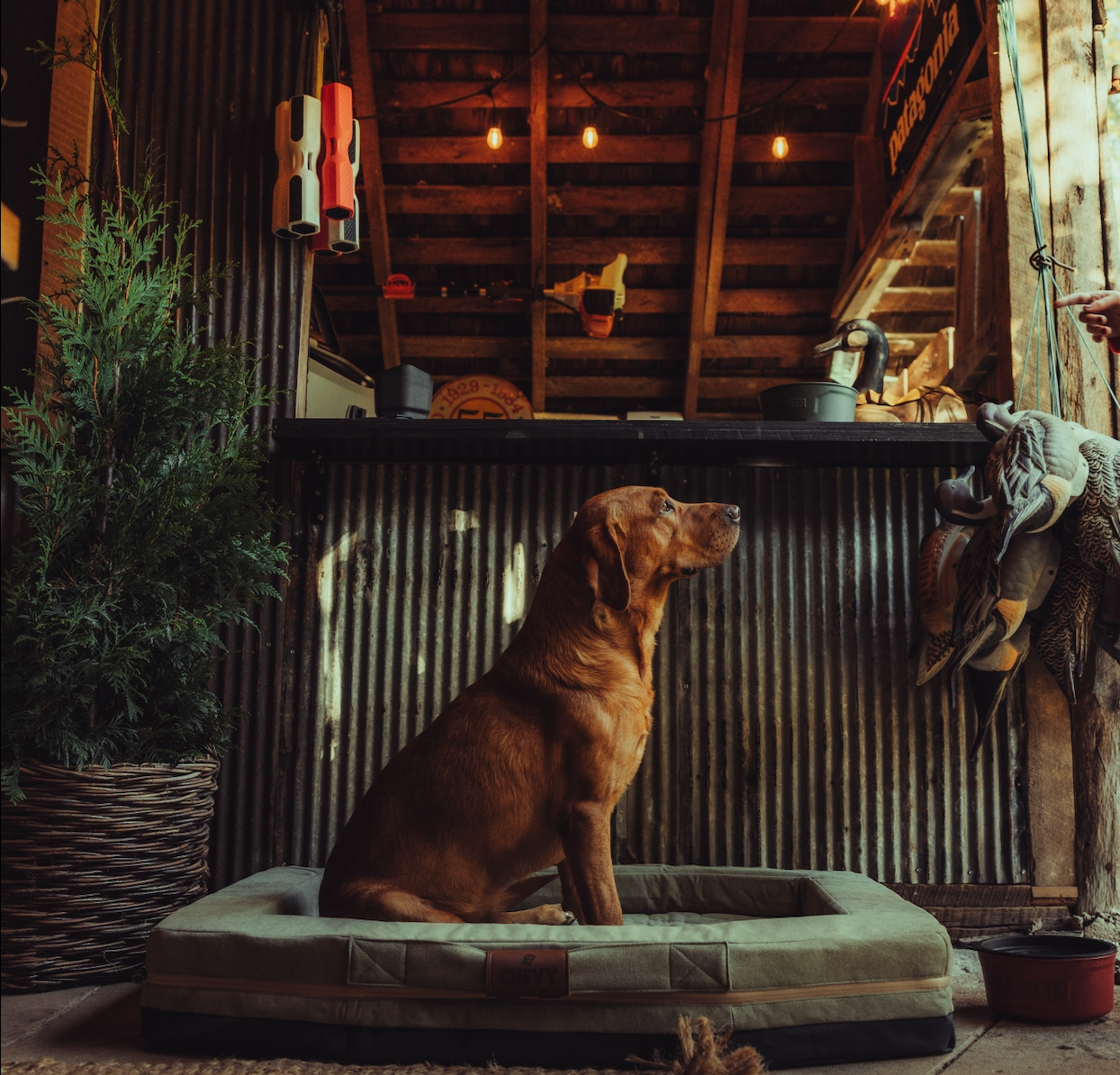











English Cocker Spaniels are well known for being extremely happy hunting partners and loving house pets. Their desire to retrieve birds has been utilized in hunting fields for hundreds of years. These compact flushers use their sharp nose and their long, burly ears to find and trap the scent of their winged prey... or their favorite snacks. Yes, the English Cocker Spaniel can really turn it on in the field, but it’s also one of the most affectionate house dogs you’d ever watch a movie with.
Breed Characteristics
Height:
- Males: 16 - 18"
- Females: 15" - 16"
Weight:
- Males: 28 - 34 pounds
- Females: 26 - 32 pounds
Life-Span:
English Cockers generally have a good lifespan of 12-14 years.
Color:
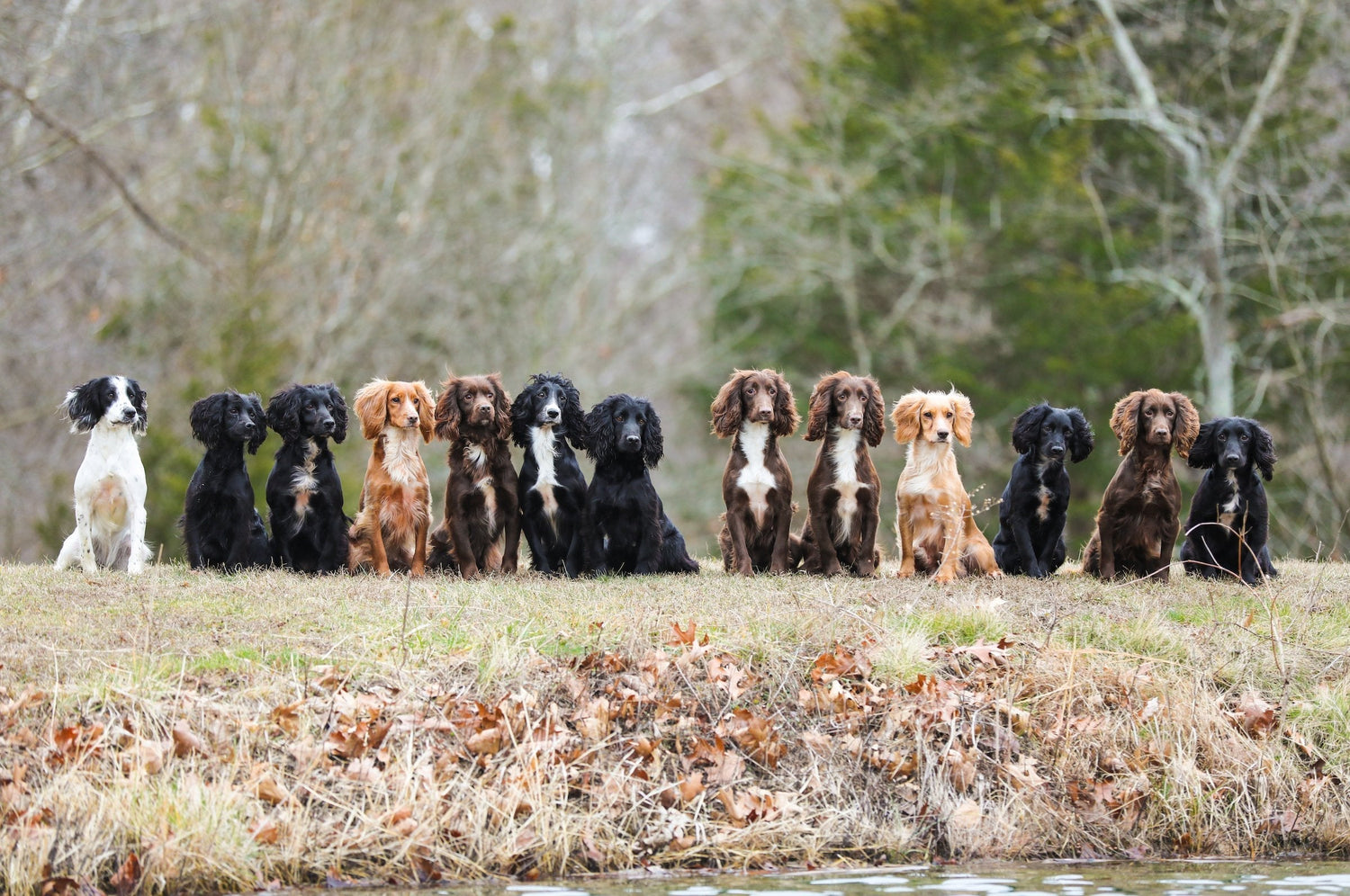
The English Cocker Spaniel has a wide range of color variations from black to red to blue roan, liver, orange, tan and everywhere in between. It’s quite normal for English Cockers to have tan or white markings or even some ticking. Simply put, these dogs are beautiful and one of a kind.
Hunting Style:
English Cockers are flushers and retrievers. Despite their small, compact stature, their hunting abilities can rival any working breed.
With proper training, these dogs can be fairly versatile hunting dogs. Since English Cockers are highly biddable, they will want to learn and train to become fantastic hunting partners, regardless of your winged choice of game.
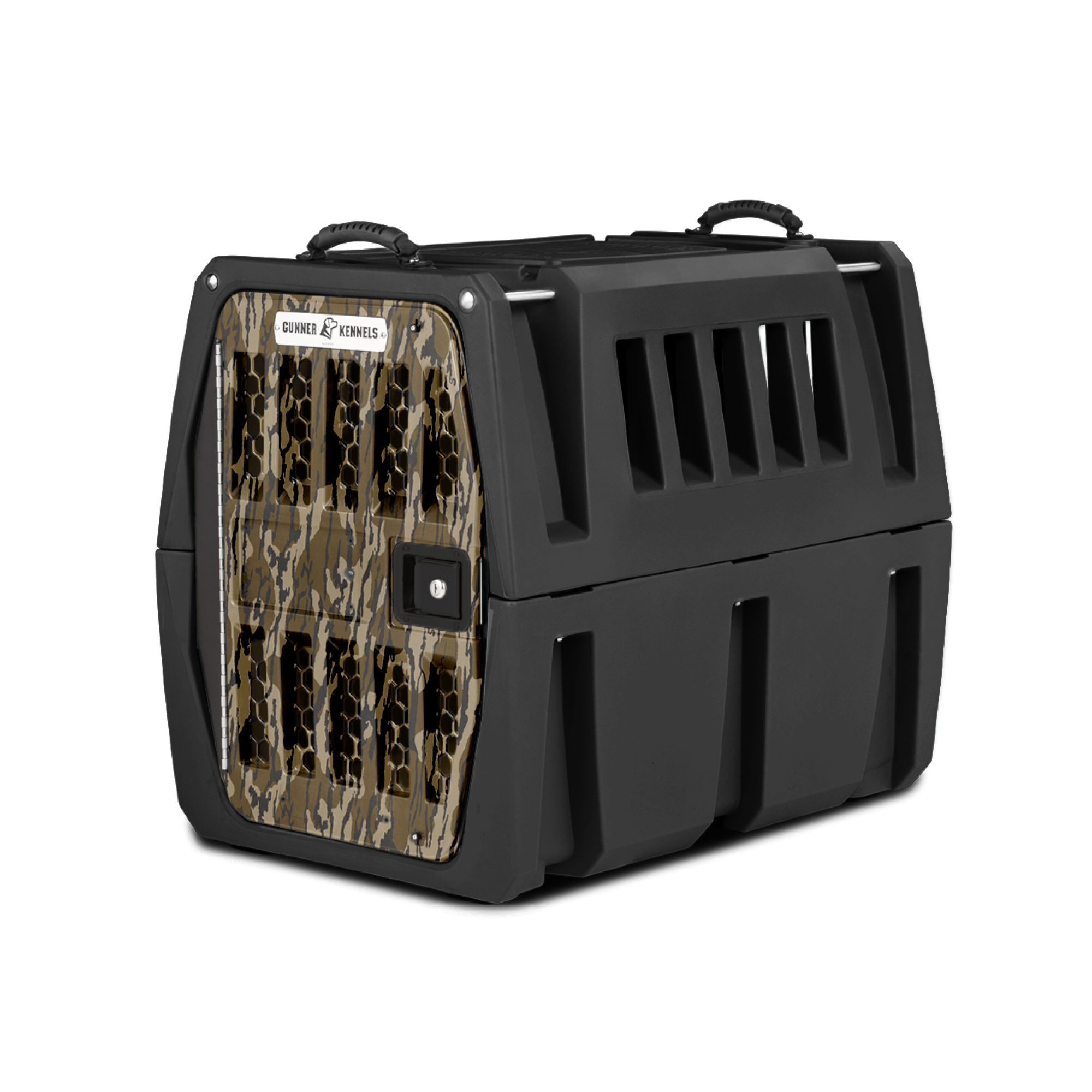
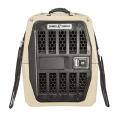
Fact: Due to their compact size, we recommend the Medium G1™ Kennel for most English Cocker Spaniels. Check our Fit Finder to find the best size for your English Cocker.

Photo courtesy of Ryglen Gundogs
Cocker Personality
The English Cocker Spaniel is a charming little dog with a beautiful coat. Often described as being “merry,” these highly affectionate dogs are great with small children and can assimilate well into any pack. They are quite playful and their dark colored, intelligent eyes create a classic look. If you’re after an intimidating guard dog, then an English Cocker Spaniel may not be the best choice for you.
This loving and devoted personality is translated well into the field as a hunting companion. These little English Cockers love to search for birds and with proper physical training, they can push fields all day.
Training Tips for Little Cocker Spaniels
Training an English Cocker Spaniel can certainly be a joy. These are outgoing, friendly, and biddable dogs that desire to work and learn. Like any breed, it’s important to keep the dogs well-exercised, but this is paramount for the English Cockers. These little dogs are always happy, but they’re certainly at their best when given plenty of work to accomplish. Be sure to regularly give them access to open areas to run and truly burn energy a few times per week, along with daily walks to keep them in shape.
When training an English Cocker Spaniel, take your time and be patient. These are happy dogs who like to train and have fun, so keep it fresh and interesting for them. Keep in mind that they respond well to positive reinforcement.
With younger English Cockers, be sure to socialize them as much as possible so they are well-adjusted for future adventures. Like any dog, if you’re willing to put in the work, they will, too.

Photo courtesy of Ryglen Gundogs
Health
English Cocker Spaniels are generally healthy dogs to have in your home and alongside you for a hunting trip. As with many dog breeds, English Cockers can be susceptible to hip dysplasia as well as retinal atrophy. If you're planning to add one of these pups to your pack, be sure that the dog's parents have been checked for the condition of these attributes.
Due to their long and flowing ears, it’s important to gently clean their ears on a frequent basis. They’ll get dirty quickly and their ears will trap moisture, which can cause various issues for the dog.
Since English Cockers have a dense, medium-length coat, it’s important to brush them weekly and remove any nasty burrs they may encounter while out in the field. If those burrs are left unattended, their fur will get matted, tangled and quite messy. If you happen to be living in cold, snowy climates with your English Cocker, it’s important to trim the fur around their feet so the snow does not get stuck in there as easily.

Photo courtesy of Ryglen Gundogs
English Cocker Facts
- The English Cocker Spaniel was originally bred to be a small, feisty dog that meticulously searched the ground for woodcock.
- The English Cocker was officially recognized by the American Kennel Club in 1946.
- Due to their drive and compact athleticism, many people use English Cockers for agility competitions.
Overall
The English Cocker Spaniel has a long history of being a dedicated family member and an athletic hunting partner for those who chase wild game. Their ability to relax inside the house and be a biddable, athletic companion in the fields has been the driving force for creating various English Cocker clubs, including the English Cocker Spaniel Club of America.

Photo courtesy of Ryglen Gundogs
Read More Breed Profiles


Rethink The Way Your Dog Travels
100,000 Dogs Protected
Our mission is to build the world's best products for Man's Best Friend. We take safety seriously and are proud that 75,000 dogs and counting are protected by GUNNER.
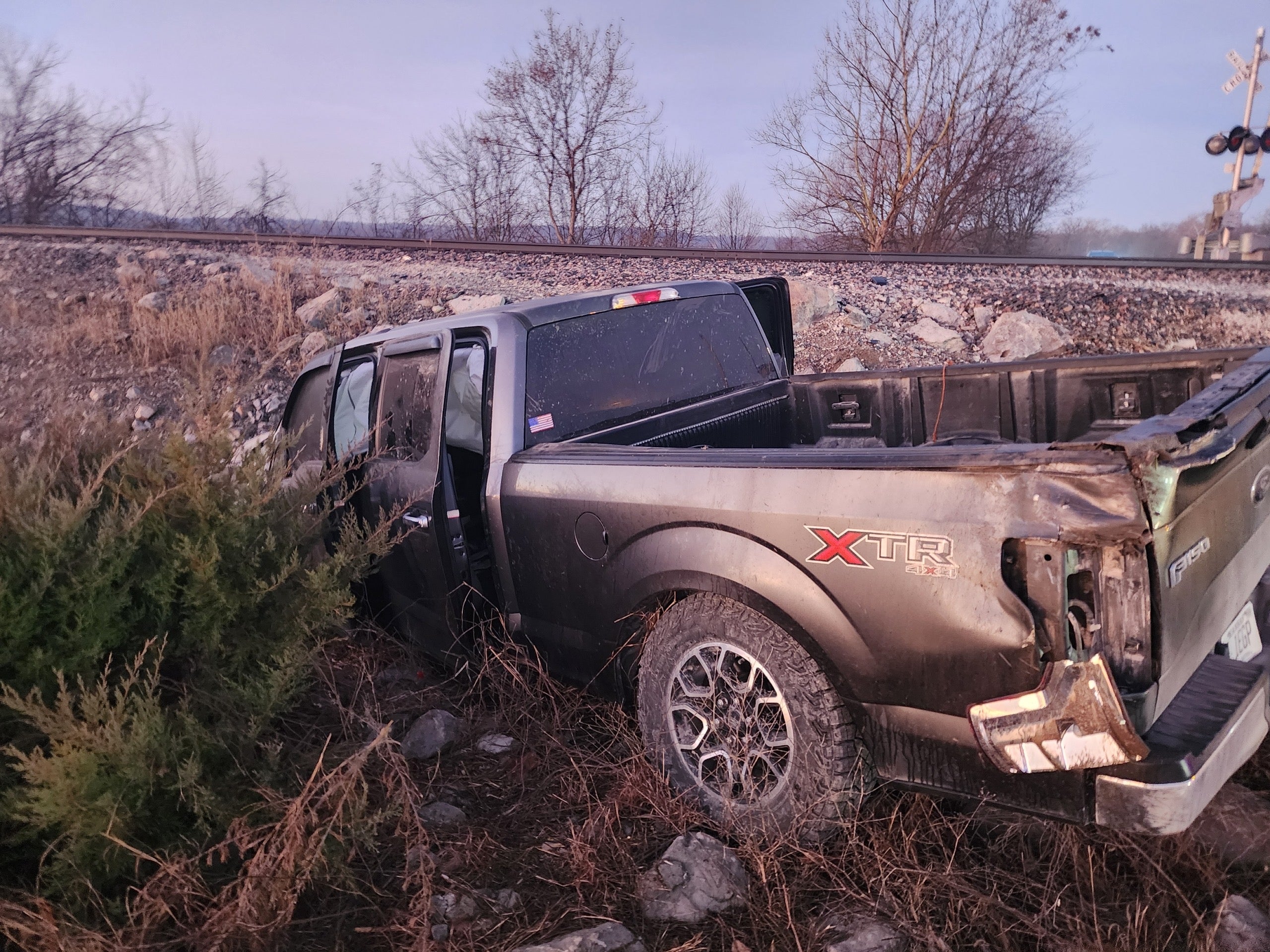
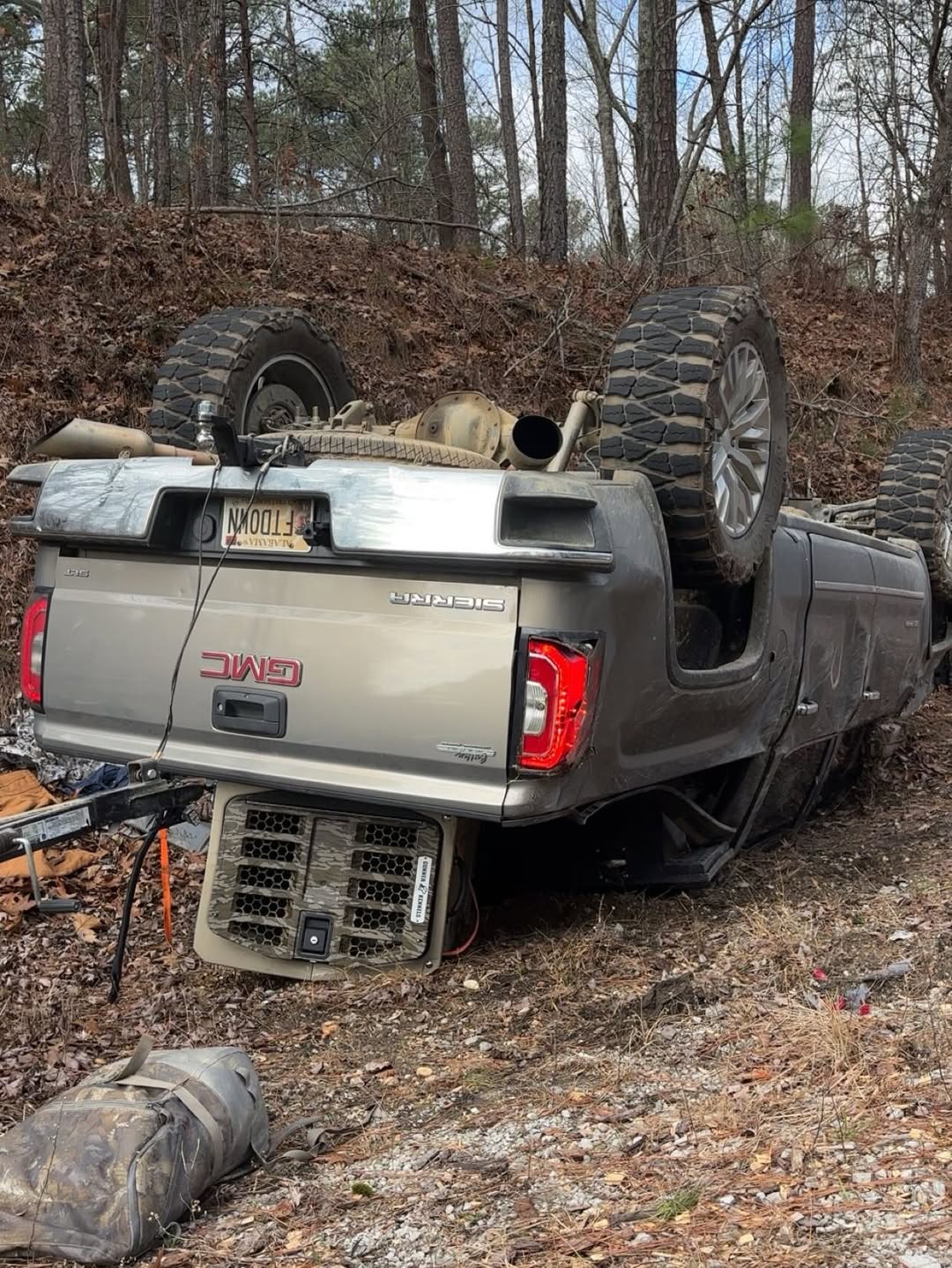
18,000+ Wrecks per Day
There are 6 million wrecks a year in the US. Accidents + an increase in the risk-taking driving behaviors have increased among drivers in 2021. (Source: NHTSA 2020 Report; NPR 2021 Report)
2,700 Pounds of Projectile
In a vehicle accident at 35 mph, an unrestrained 60 lb. dog can become 2,700 lb. of projectile. Our crate ensures your dog is contained (and safe) before, during & after impact. (Source: Bark Buckle UP)
85% Failure Rate
Nearly 9 out of 10 products FAILED the safety certification when originally crash tested (2015 study) by CPS. Our Intermediate was the only product in the crate category that passed in that '15 study. (Source: Center For Pet Safety)
MY DOG IS NOT AN EGG.
Your dog is not an egg. But this egg test represents how they are protected in a GUNNER Kennel, versus traveling unrestrained in a vehicle.
The safest way for your pet to travel is in a GUNNER, and proper fit is a key part of safety in the event of an accident. Don’t let your dog become the scrambled egg.